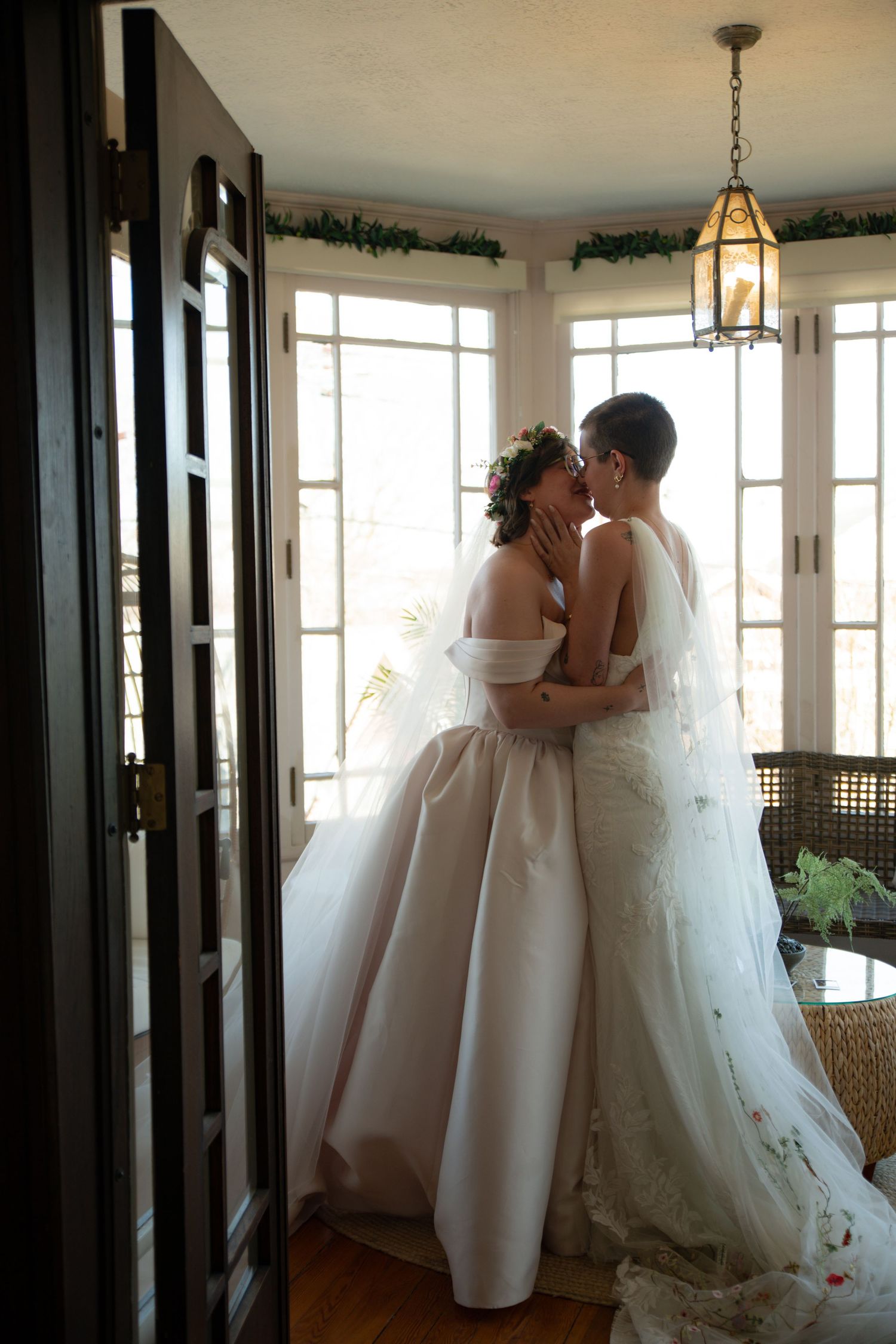
Let's get something out of the way right now: you are not a model. You have never been a model. The last time someone pointed a camera at you, you either froze, did something weird with your hands, or smiled so hard your face hurt for three days.
And yet, somehow, you're expected to look effortlessly gorgeous in hundreds of photos on one of the most emotionally overwhelming days of your life.
Here's the truth, and I mean this genuinely, it's not about you knowing how to pose. It's about your photographer knowing how to guide you. The right prompts don't make you perform. They make you forget the camera is there. And that's when the real photos happen.
So whether you're a natural in front of the lens or the kind of person who goes stiff the second someone says "cheese," this guide is for you.
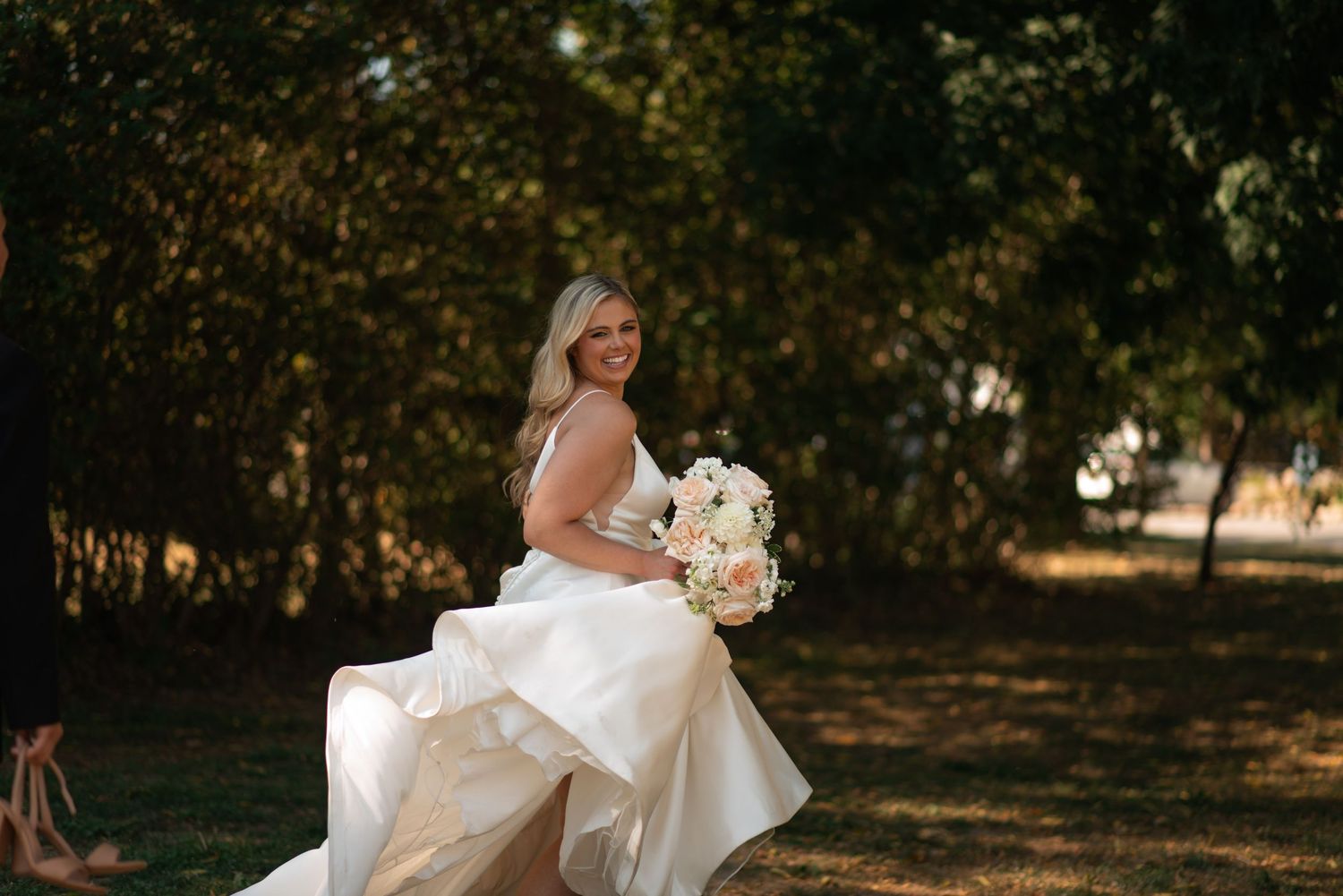
Why Most Couples Feel Awkward in Front of the Camera (And Why It's Not Their Fault)
Nobody teaches you how to be photographed. You've spent your entire life being told to look at the camera and smile, which produces exactly one expression: the one you make when you're told to look at a camera and smile.
That expression is fine for your driver's license. It is not what you want for your wedding gallery.
The couples who end up with stunning, emotional, real-feeling wedding photos aren't the ones who have modeled before. They're the ones who had a photographer who made them laugh, gave them something to do, and got out of the way while they actually lived their day.
That's the whole game. Movement, direction, connection, not stiff poses and countdown timers.
The Best Poses and Prompts for Wedding Day Photos
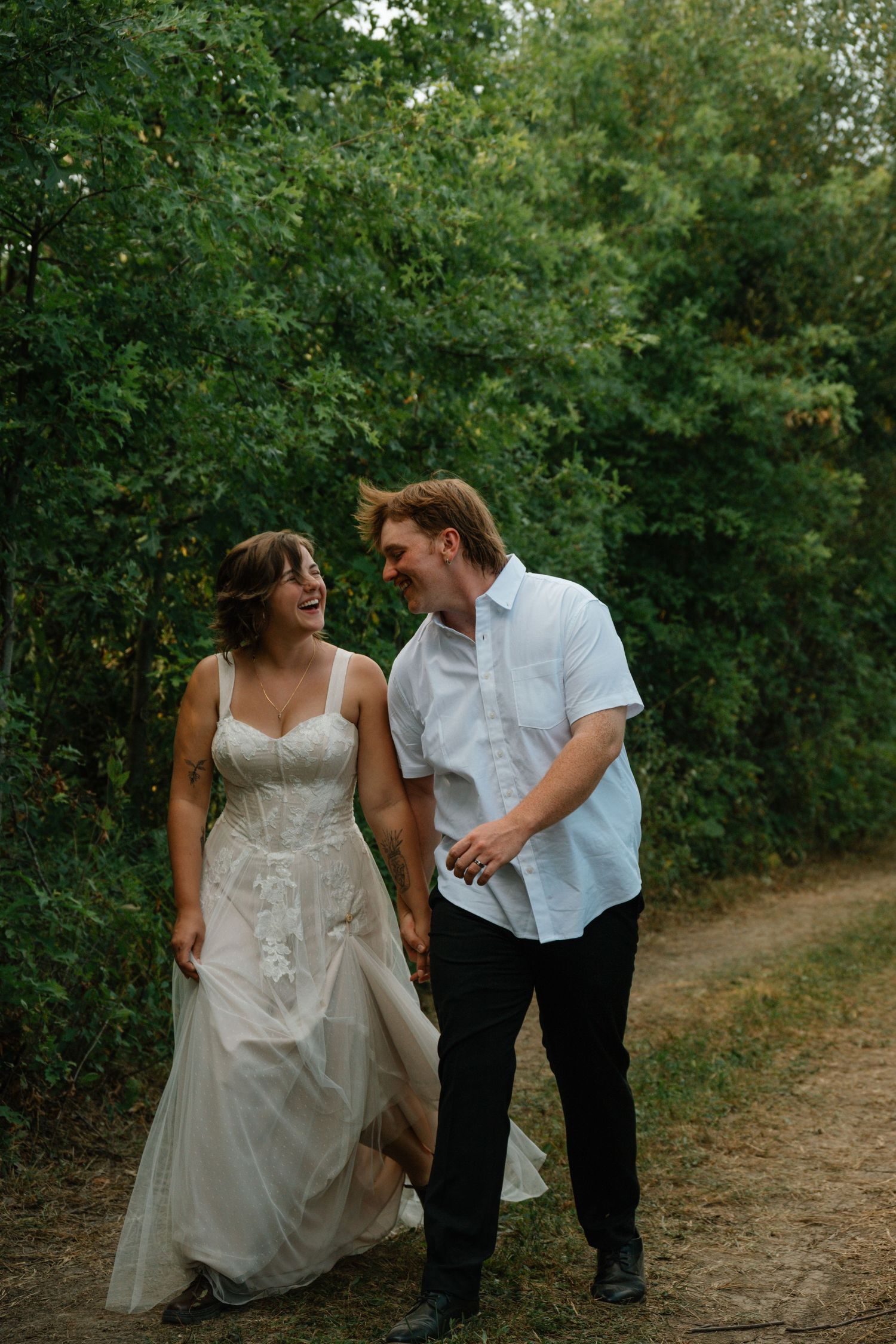
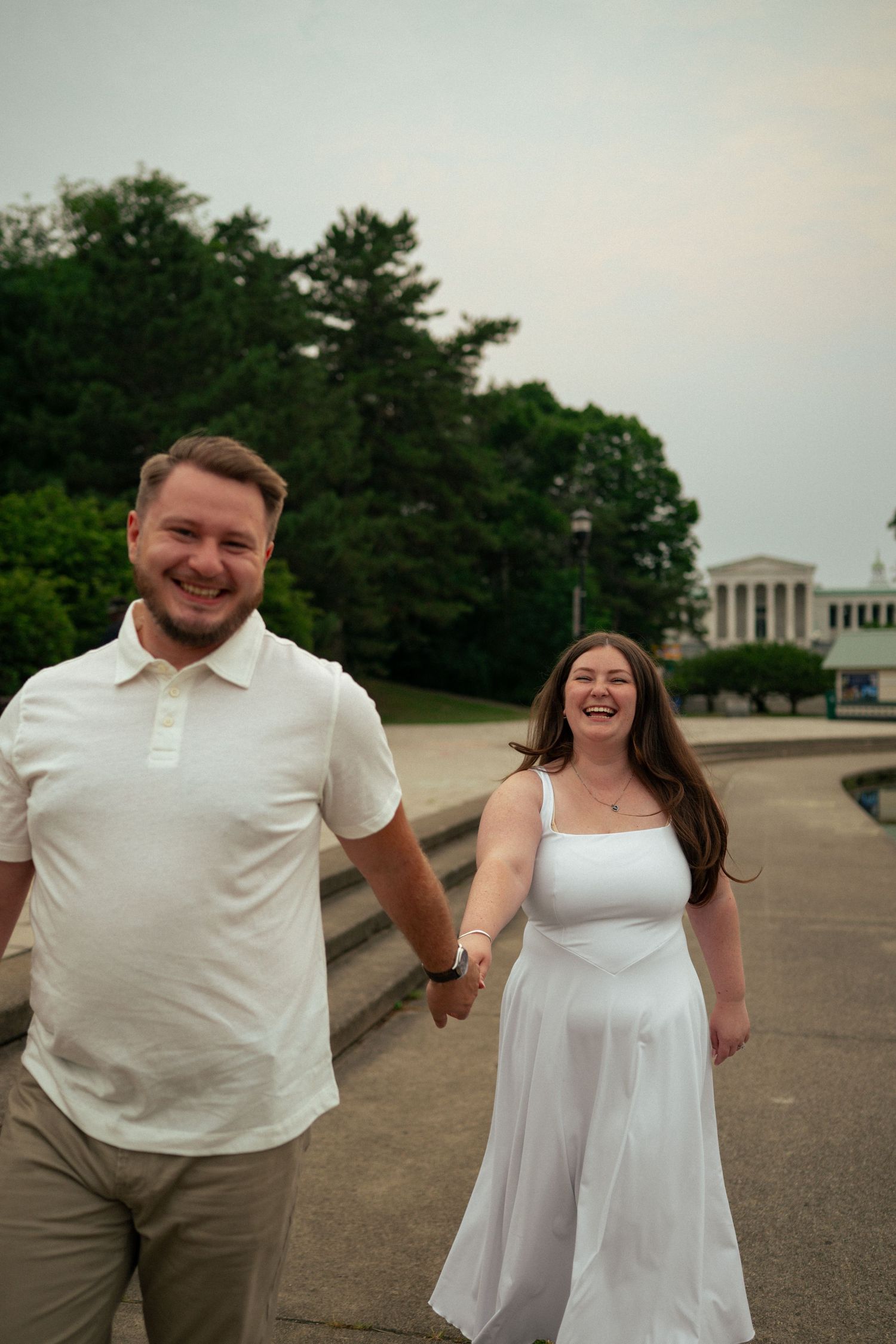
The Walk-and-Talk
This one is simple and it works every single time. Your photographer asks you to walk together, slowly, naturally, and talk to each other. About anything. What you want for dinner. How nervous you were this morning. The fact that your aunt has already had two glasses of champagne and it's 11am.
You stop thinking about the camera. You start actually talking to your person. Your hands relax, your shoulders drop, and your photographer catches something real.
Why it works: Movement eliminates stiffness. When your body has something to do, it stops performing.
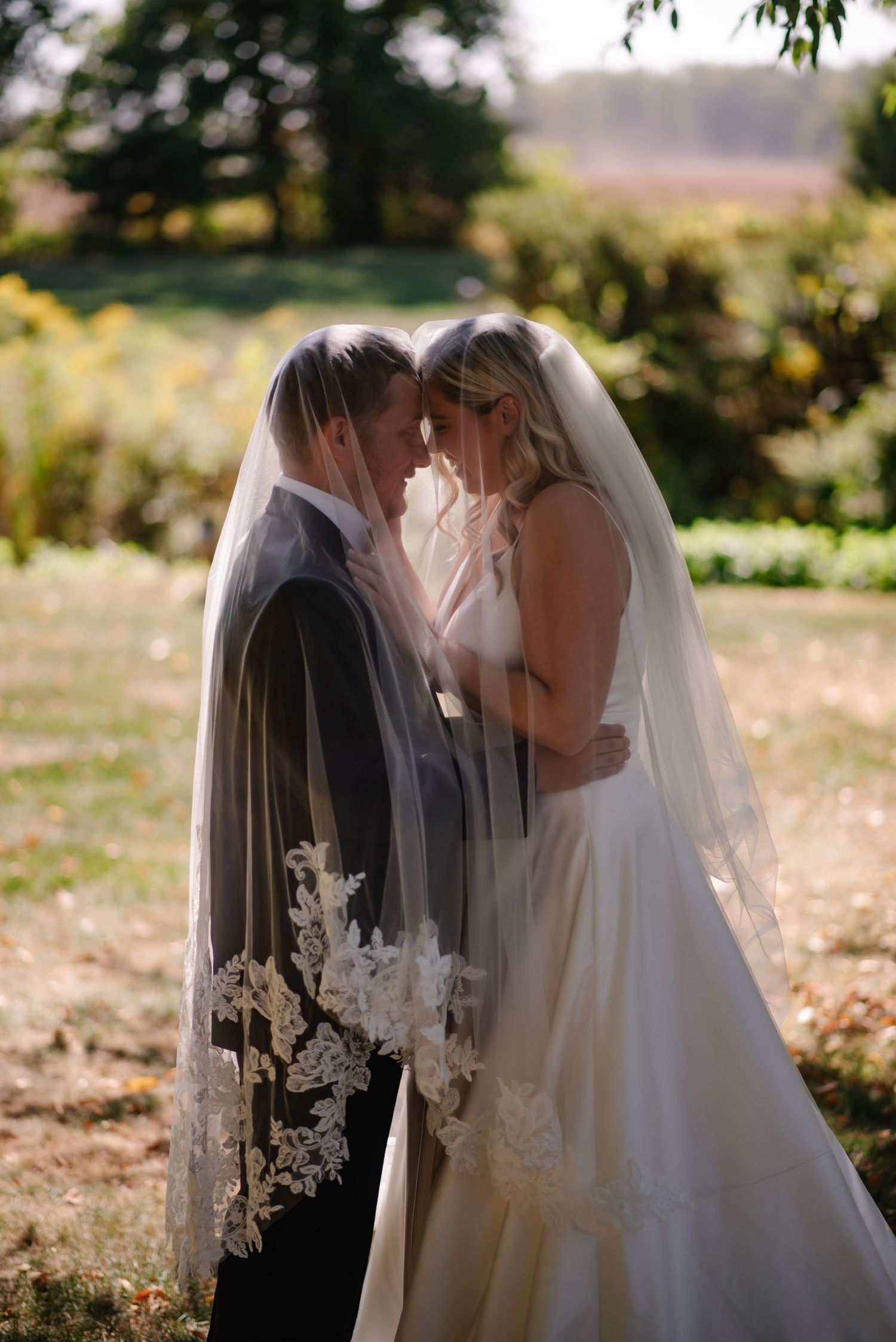
The Forehead Touch
Stand facing each other. Close your eyes, or not. Touch foreheads.
That's it. That's the whole prompt.
Something about closing your eyes and getting close to someone you love completely short-circuits the self-consciousness. Couples almost always laugh, or breathe, or say something quiet to each other. Every single one of those moments photographs beautifully.
Why it works: It removes eye contact with the camera and replaces it with connection with your partner.
The Whisper Something
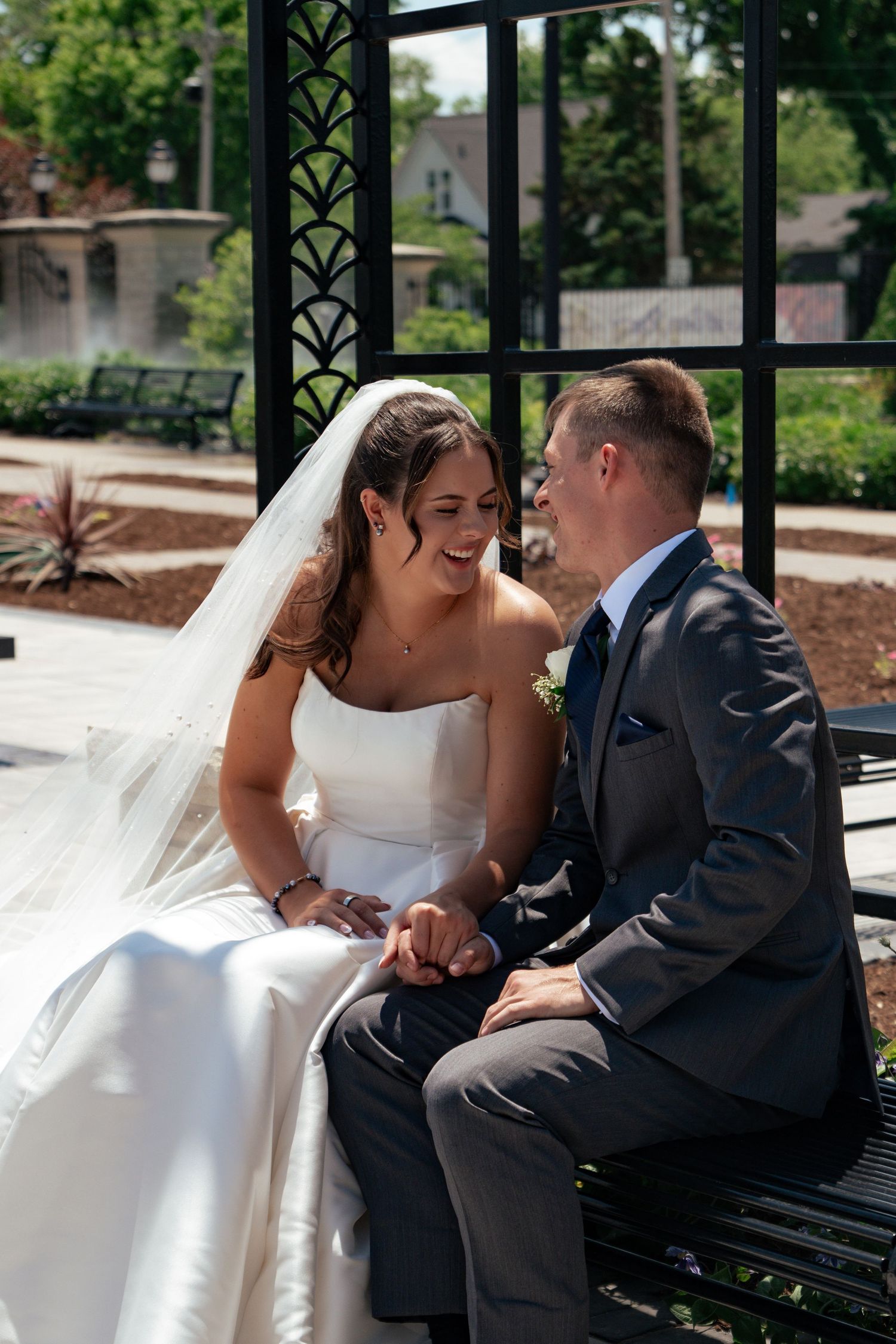
Your photographer asks one of you to lean in and whisper something to the other, something true, something funny, something you've never said out loud before, or something completely ridiculous. The other person reacts genuinely.
The result is almost always one of the favorite photos in the gallery. A surprised laugh. A hand flying to the mouth. A slow smile spreading across a face. Real, unscripted, unrepeatable.
Why it works: Genuine reactions are impossible to fake and impossible to miss.
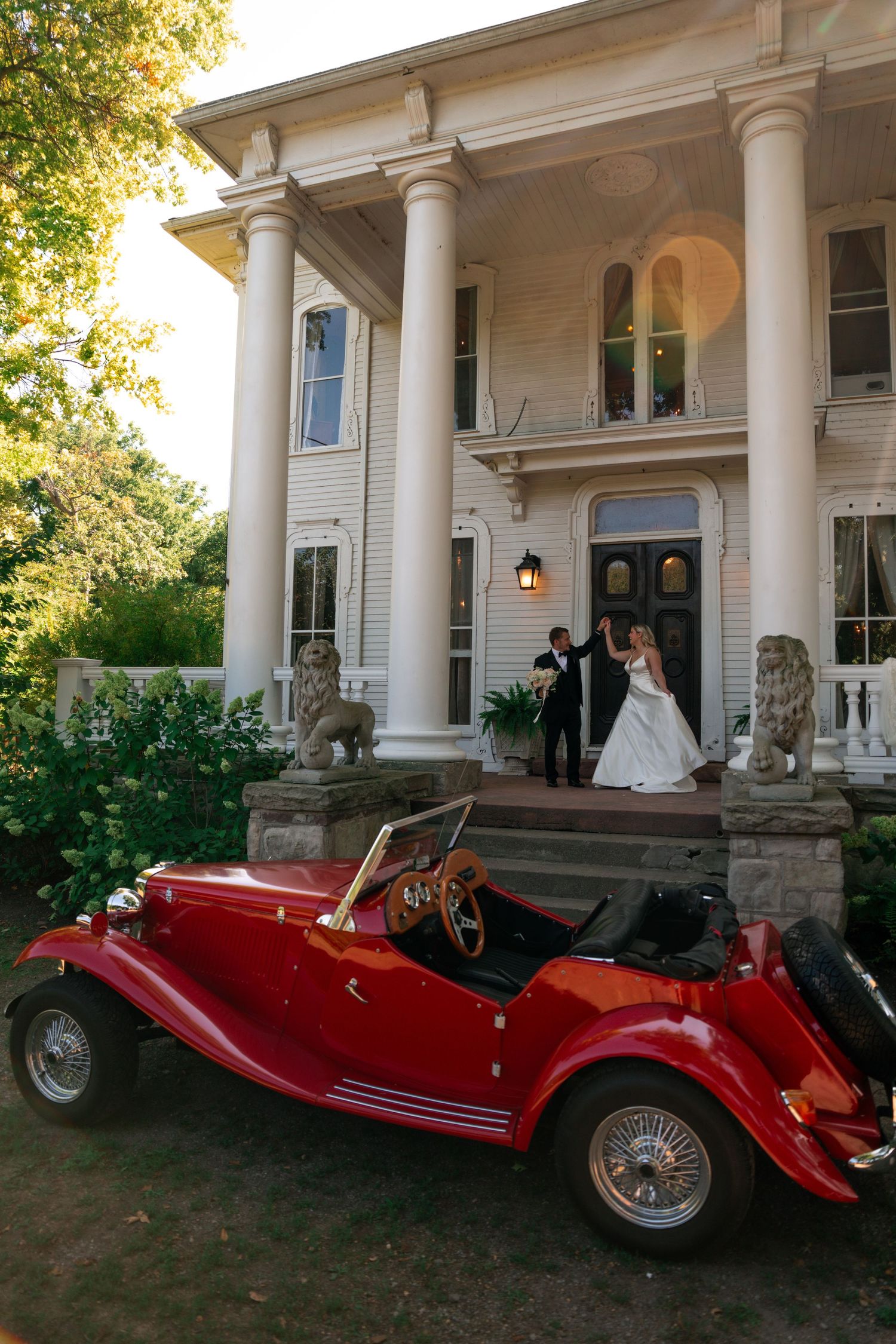
No DJ required. Your photographer just asks you to slow dance, sway, hold each other, move however feels natural. Some couples are goofy about it and dip each other dramatically. Some get quiet and close and emotional. Both are perfect.
This prompt is especially powerful during golden hour when the light is doing something magical and you need the couple to just be still and together for a few minutes.
Why it works: Slow dancing is an inherently intimate act that most couples do naturally without thinking about it.
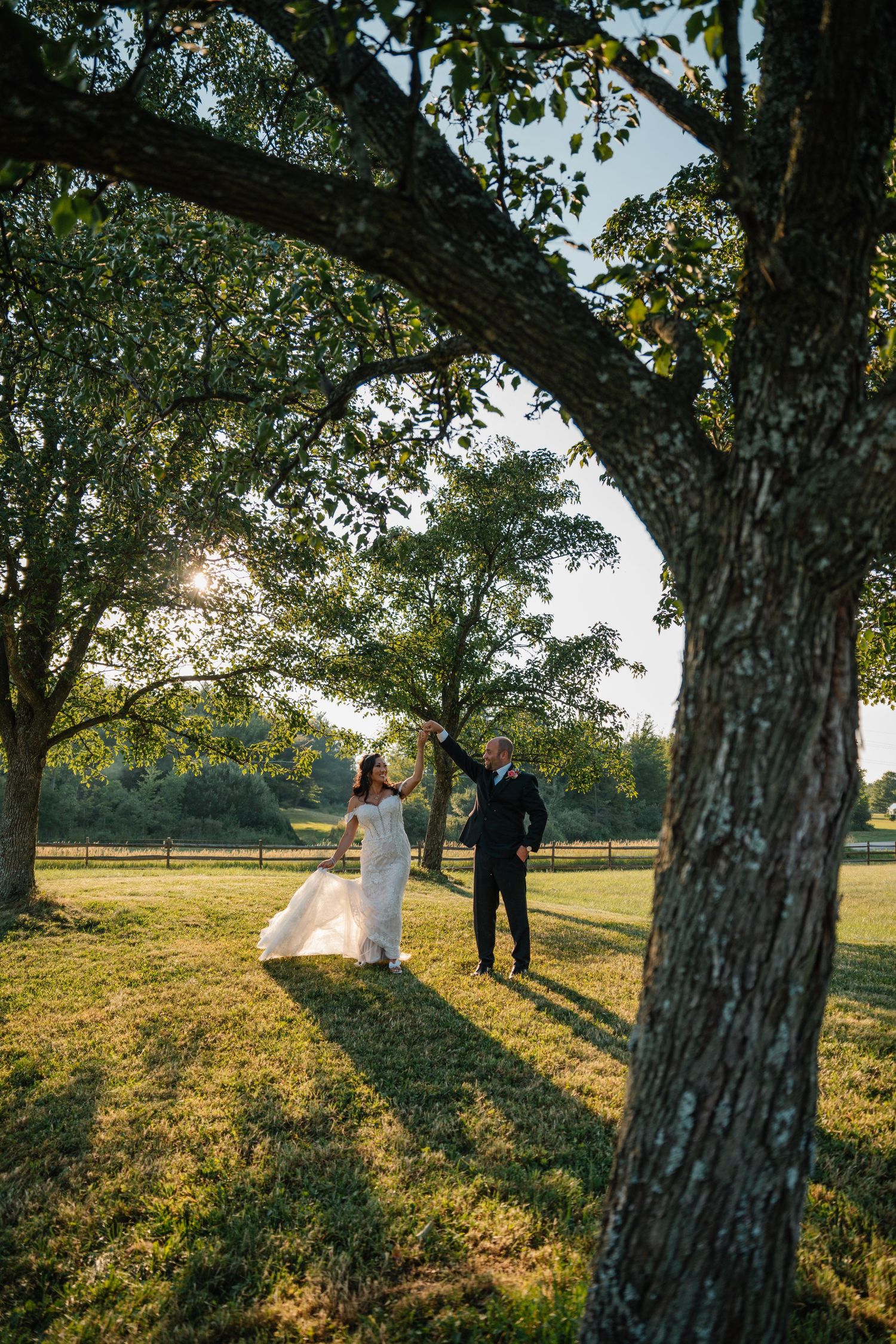
The Slow Dance (Without Music)
The Quiet Moments Before You Walk Down the Aisle
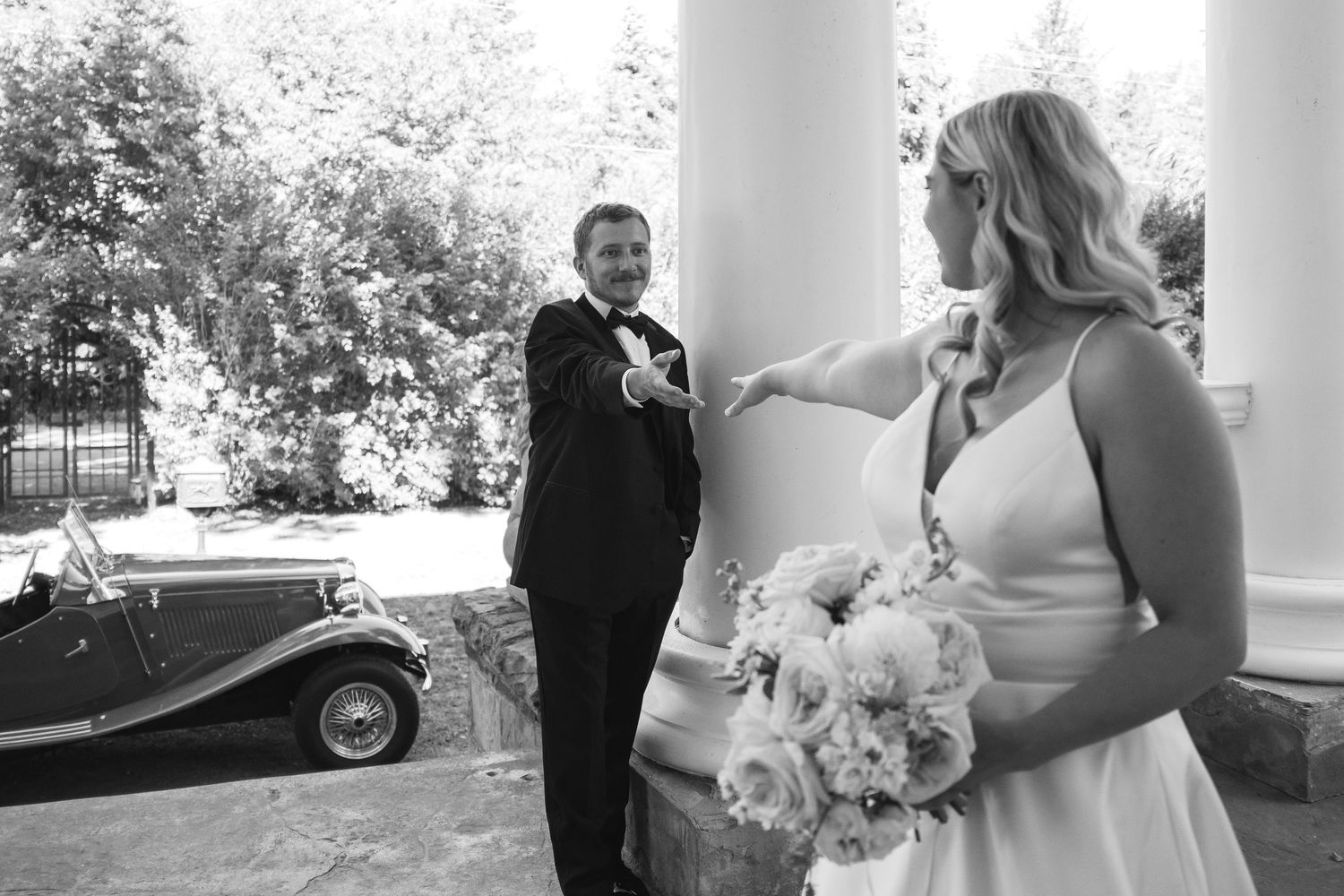
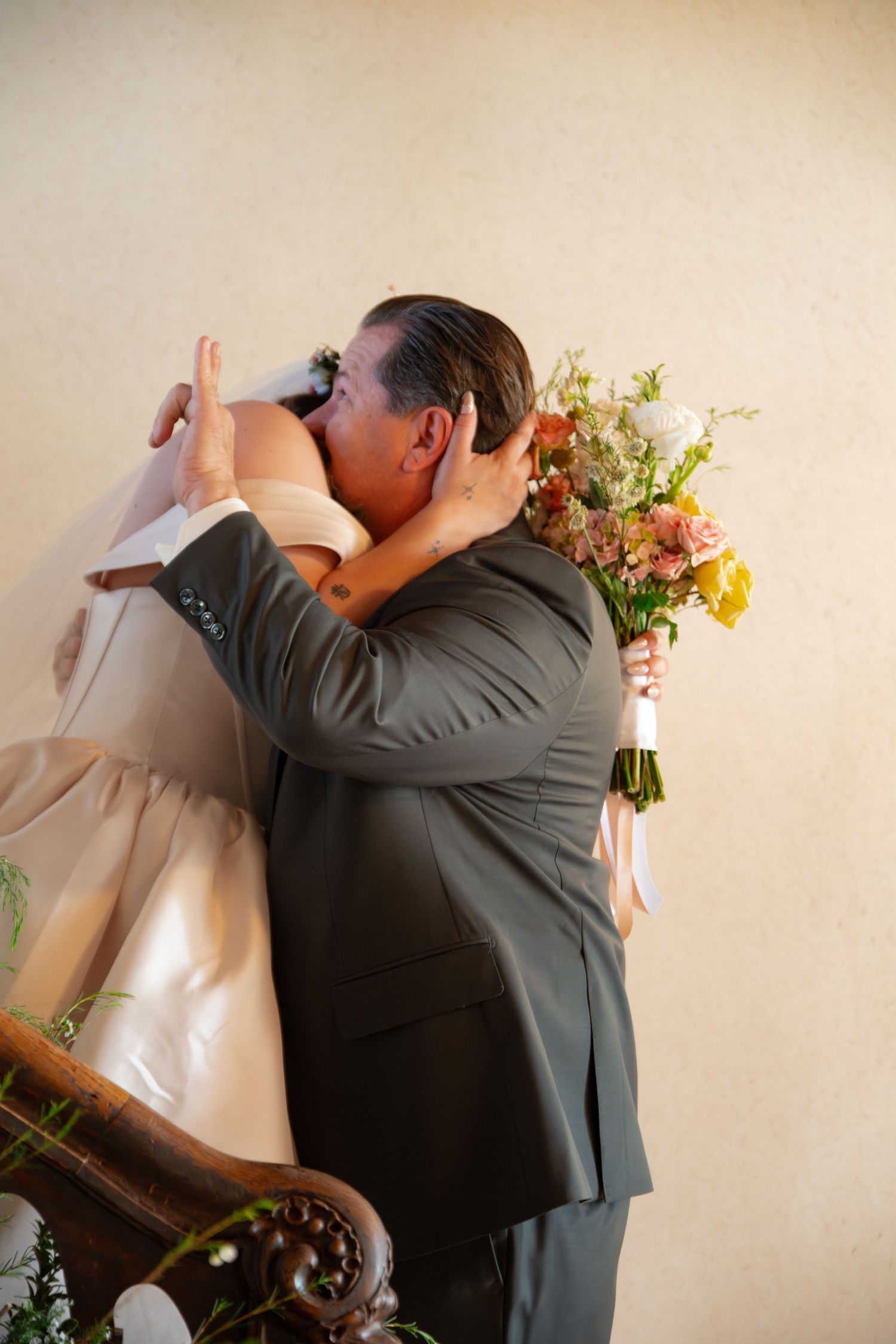
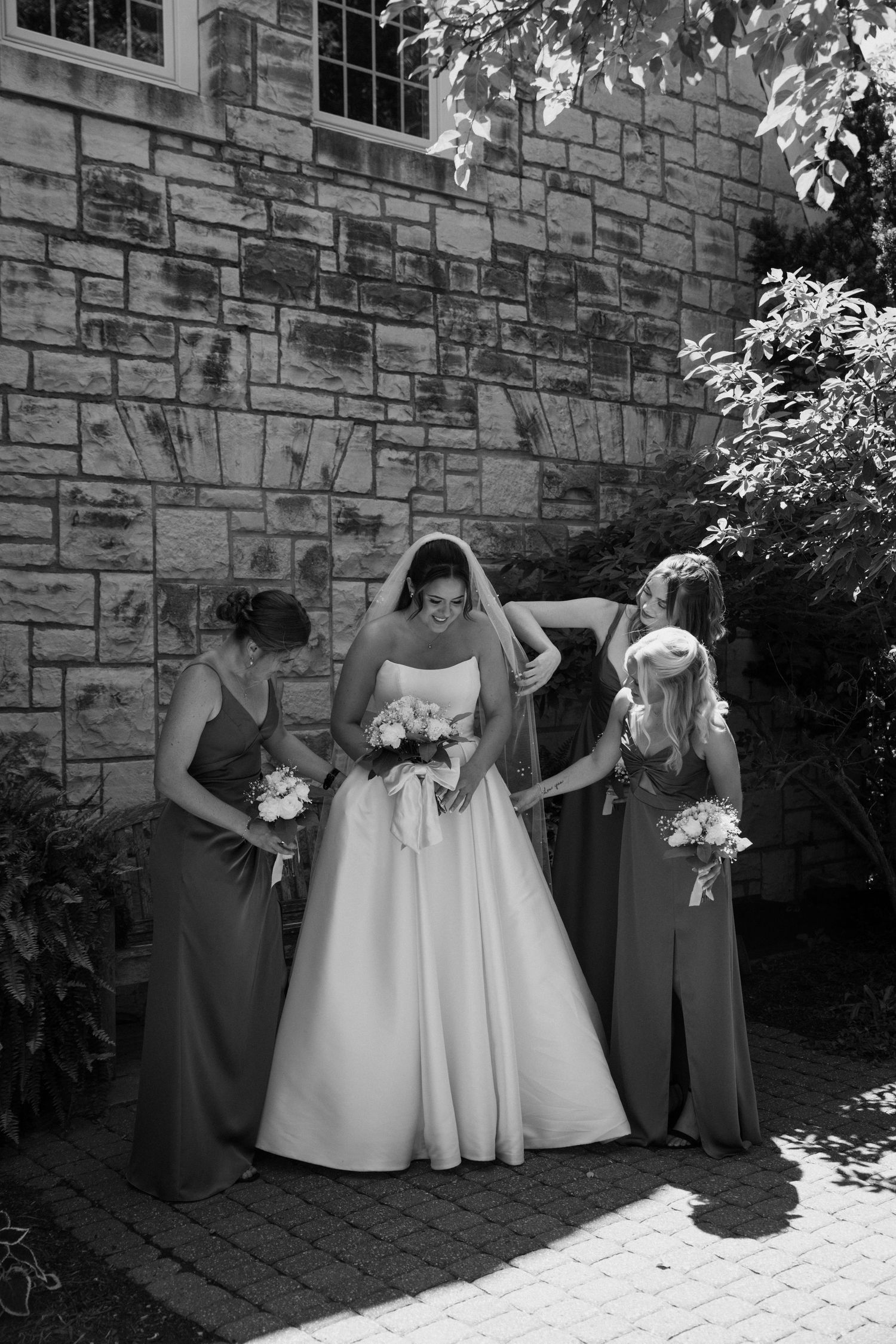
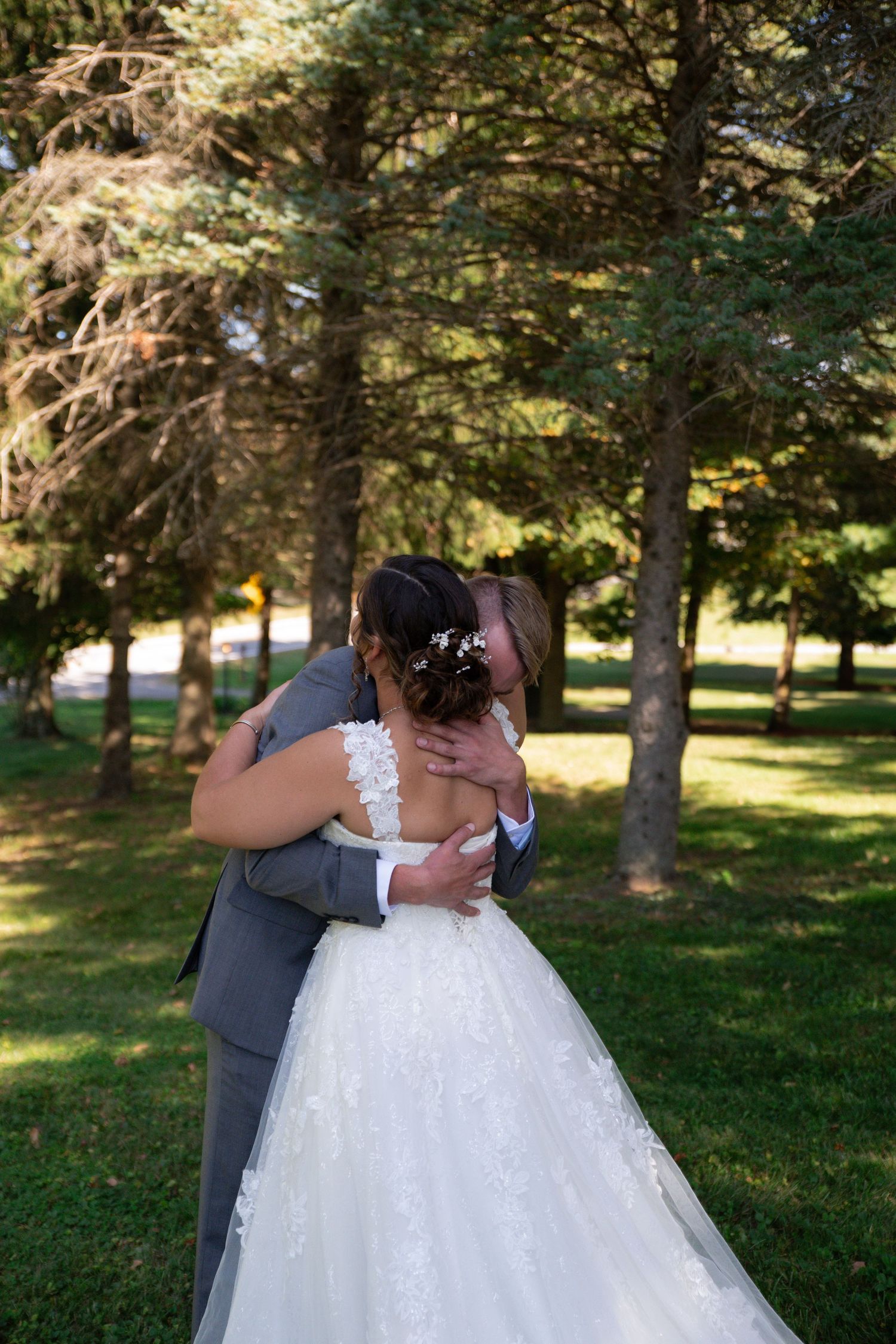
Some of the most meaningful photos from a wedding day don't happen during the portrait session at all. They happen while you're getting ready, while someone is buttoning your dress, while you're reading a note from your partner, while your dad sees you for the first time.
These moments aren't posed. They're just witnessed. A good photographer is in the room and ready when they happen.
Why it works: Emotion doesn't wait for a camera cue. The best photos often come from the moments nobody planned.
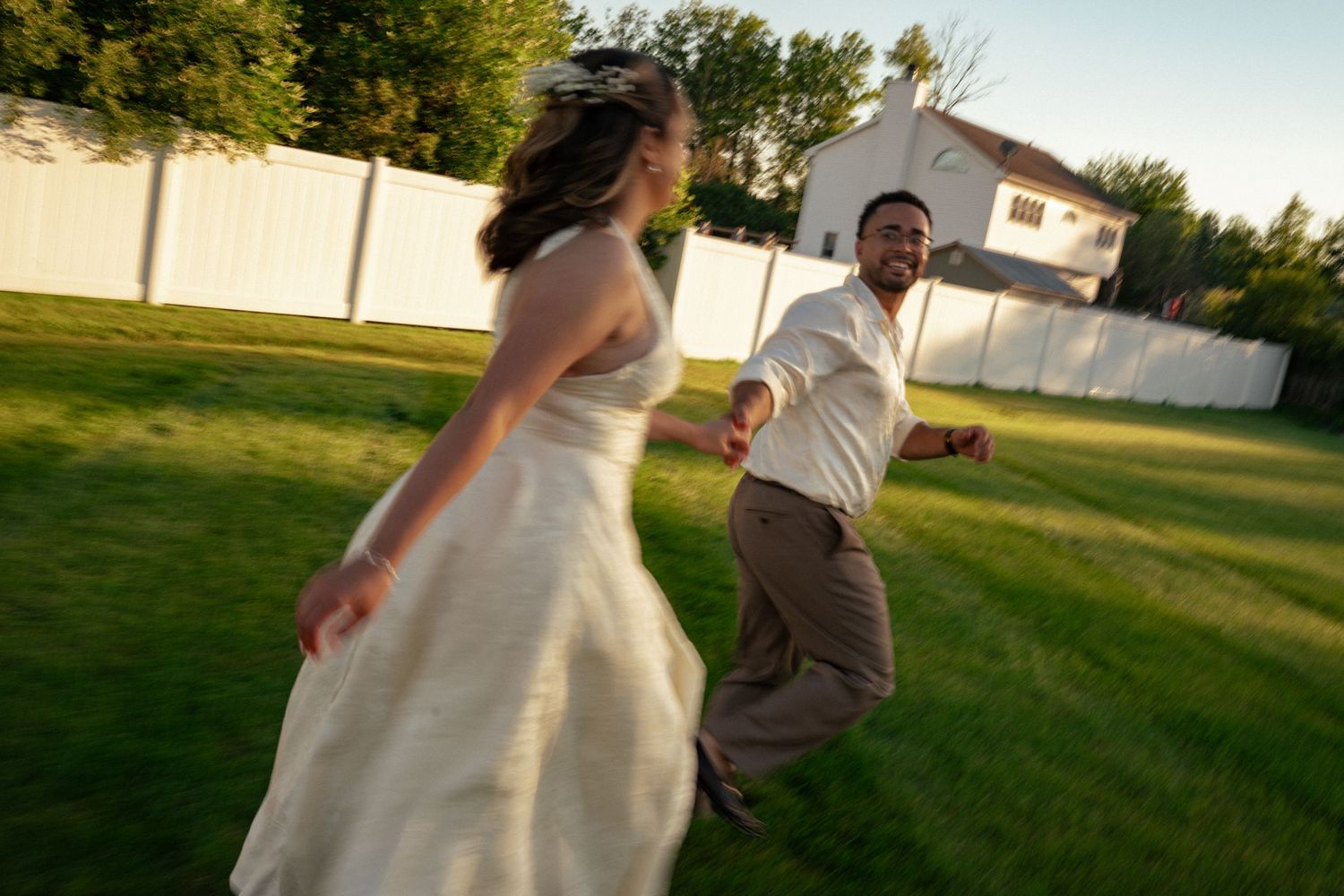
You've just had your portraits taken. Your photographer asks you to walk away together, holding hands, leaning into each other, go wherever feels natural. They shoot from behind.
This is a low-pressure, zero-stakes prompt that consistently produces gallery-worthy images. You're not performing for anyone. You're just walking away together the way you'll spend the rest of your life doing.
Why it works: It's the one direction where you're literally not facing the camera, so there's nothing to overthink.
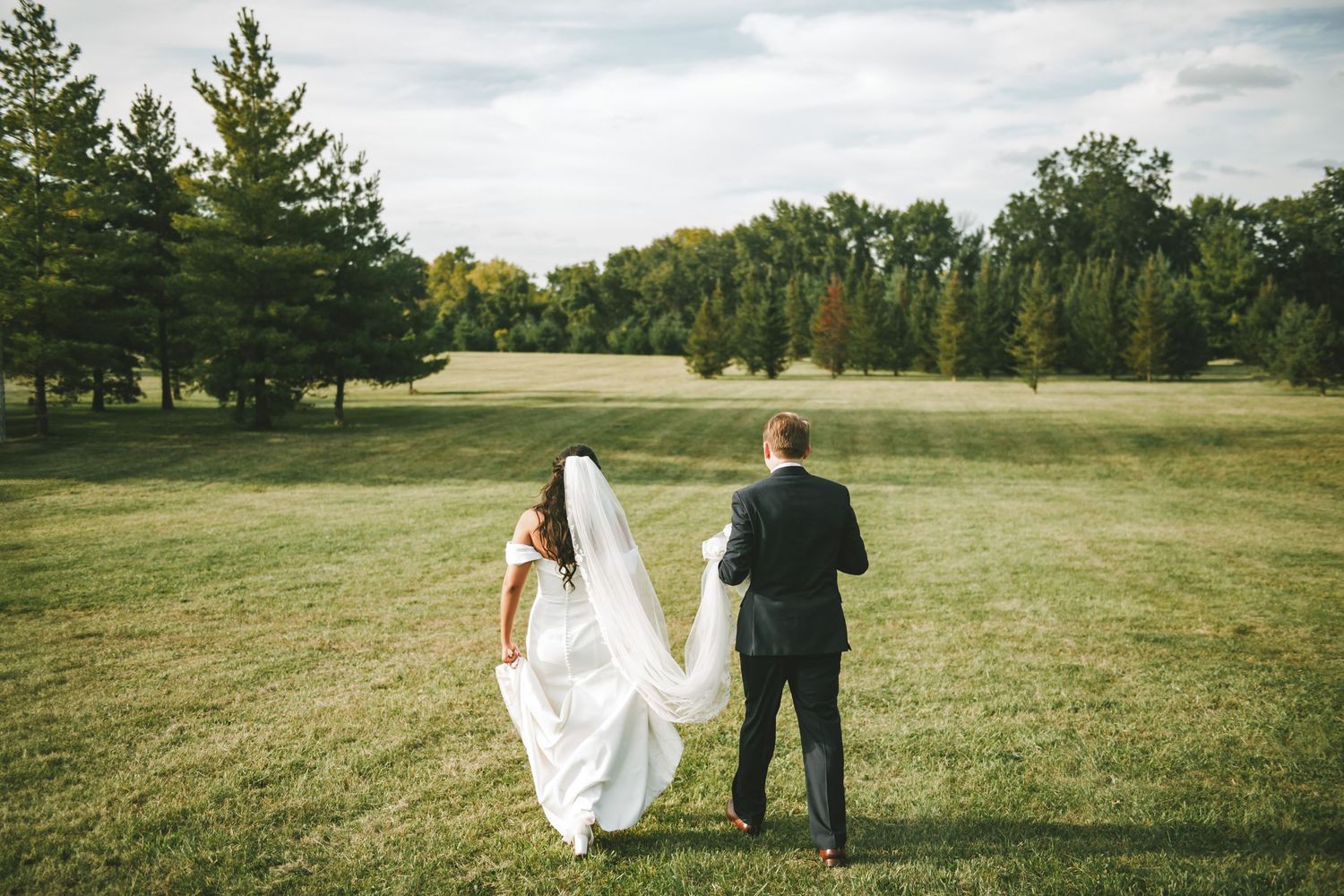
The Walk Away Together
What About the Formal Portraits?
(The Ones That Feel Stiff)
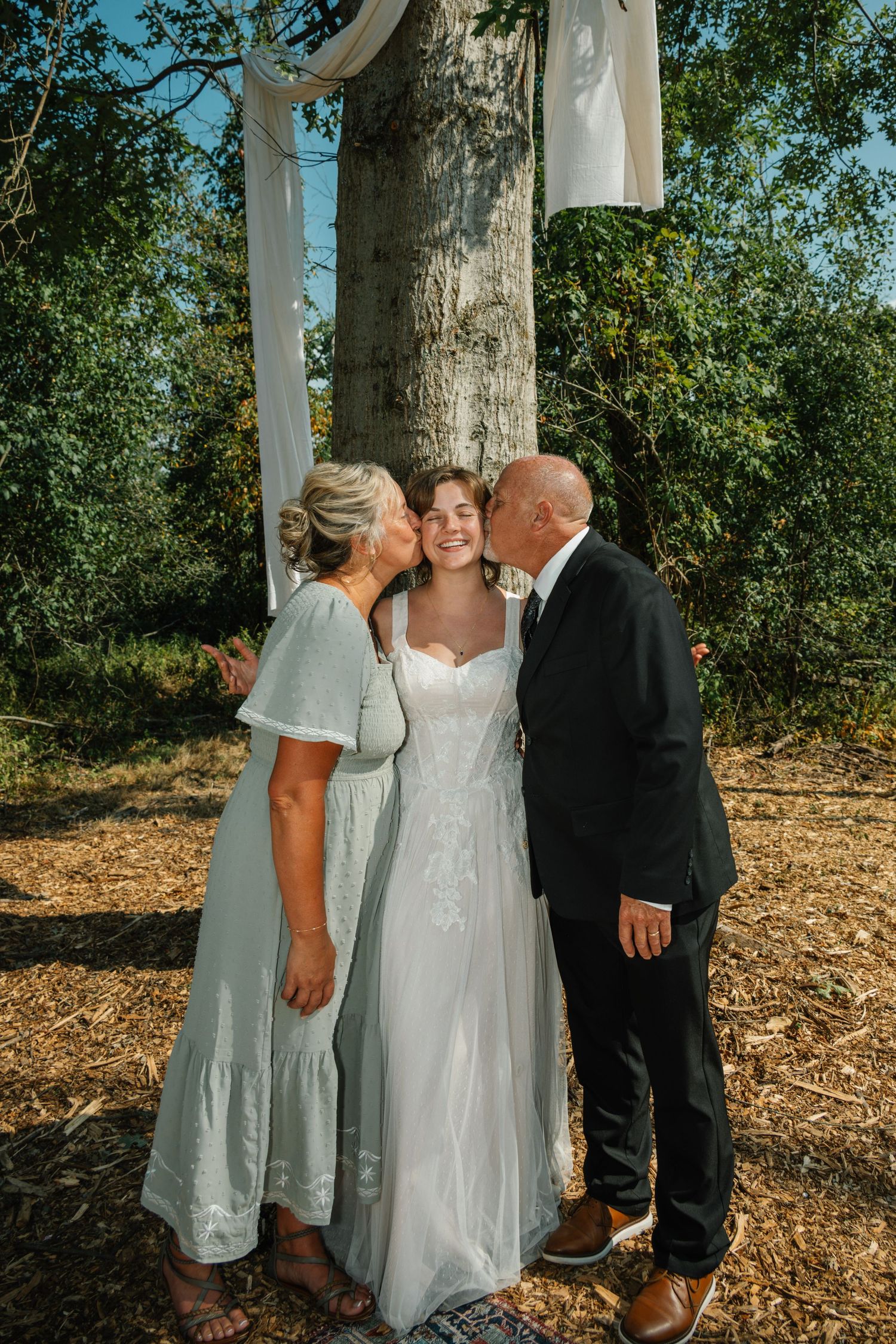
Family formals are a necessary part of most wedding days, and yes — they involve standing in a line and looking at a camera. There's no way around that.
But even here, there are ways to keep things from feeling robotic.
Keep the List Tight and Move Fast
Work with your photographer ahead of time to create a prioritized list of the family groupings you actually need. The longer formals drag on, the more energy drains out of the room. A sharp, organized list shot in 30 minutes is worth ten times more than a two-hour marathon where everyone starts looking like hostages by photo 47.
Let People Be People
Tell your family to talk to each other between shots. Let the kids squirm. Let your uncle make his joke. The stiff, silent, staring-straight-ahead approach is what makes formals feel miserable. When people are animated, even the posed shots look more alive.
Trust Your Photographer to Adjust
A good Buffalo wedding photographer will look at the group, see what's working and what isn't, and adjust on the fly. Tilt a chin here, shift a shoulder there, move someone two inches to the left. You don't need to know any of this. You just need to trust it's being handled.
The Single Most Important Thing
You Can Do Before the Wedding
Book an engagement session.
I know that sounds like a sales pitch. It isn't, or at least, it isn't only that. An engagement session is the single most effective way to walk into your wedding day feeling comfortable in front of the camera, because you've already done it once.
You've already learned what your photographer's voice sounds like when they're guiding you. You've already figured out which side of your face you like. You've already laughed through the awkward first ten minutes that happen at the start of every single session, for every single couple, no matter how photogenic they are.
By the time your wedding day arrives, you're not strangers to this. You're a team.
Does Your Body Type, Age, or Experience Level Matter?
No. And I want to be really clear about this.
Good wedding photography isn't about capturing people who look a certain way. It's about capturing people who feel a certain way. The couple who's been together for twenty years and gets married in their fifties with laugh lines and gray hair and a lifetime of inside jokes between them, those photos are stunning. The couple who are nervous and awkward and have never once felt comfortable in front of a camera, those photos are stunning too. When the photographer's job is to find the real moments rather than manufacture the perfect ones.
You do not need to lose weight, get a spray tan, practice your angles, or become someone you're not before your wedding day. You just need to show up as yourself. A good photographer, one who actually sees you, will do the rest.
How to Find a Buffalo Wedding Photographer Who Gets This
Not every photographer works the same way.
Some are heavily directed and prefer precise, editorial-style images. Some are almost entirely documentary and prefer to stay invisible. Most great wedding photographers live somewhere in the middle — directive enough to guide you through the day, hands-off enough to let the real moments breathe.
When you're interviewing a Buffalo wedding photographer, ask them:
- How do you help couples who are nervous in front of the camera?
- Do you use prompts or poses — and what's the difference in how you approach them?
- Can I see a full wedding gallery, not just your portfolio highlights?
That last one matters a lot. A portfolio is curated. A full gallery shows you what the whole day looks like, everything from the quiet in-between moments, the formals, the reception candids. That's what you're actually buying.
Before You Close This Tab, Do These 3 Things
1. Book an engagement session before your wedding day.
It is the fastest, most effective way to feel comfortable in front of the camera. One session with your photographer before the wedding and you'll walk into your wedding day like you've done this before, because you have.
2. Give your photographer a prioritized family formal list in advance.
Don't wait until the day of to figure out the groupings. A pre-made list keeps formals tight, fast, and stress-free so you can get back to actually enjoying your wedding.
3. Tell your photographer one thing that makes you both genuinely laugh.
Hand them this information before the session starts. A photographer who can make you actually laugh, not a polite smile, but a real one, will use it exactly when you need it most. The photos that come out of that moment will be some of your favorites in the entire gallery.